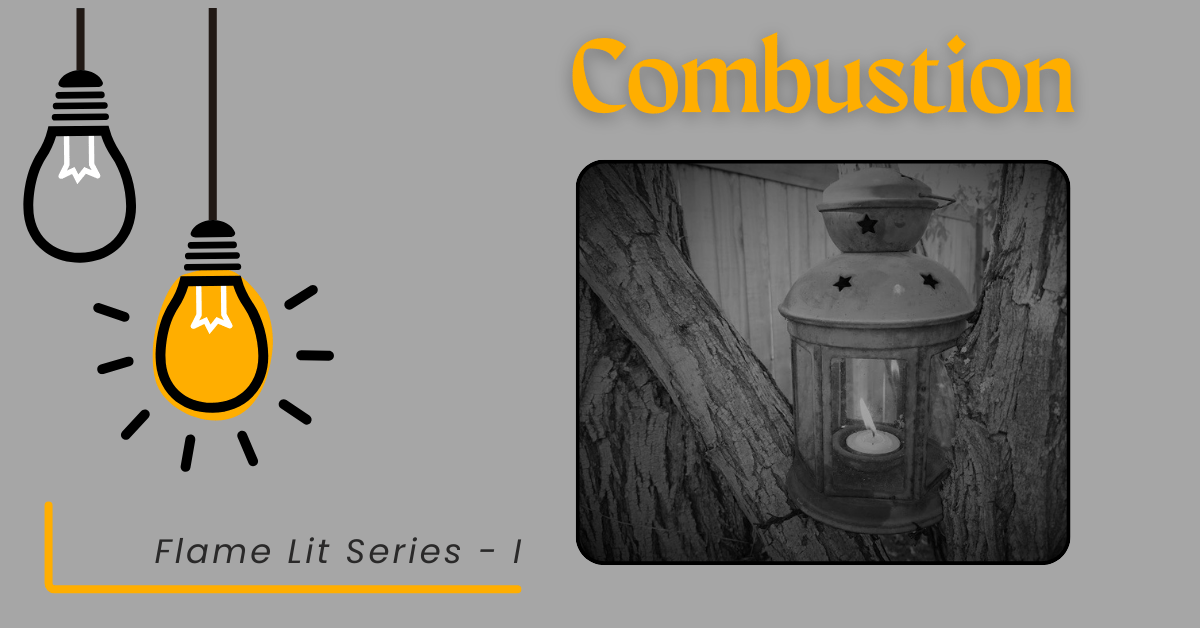
Flame Lit – Part I – A limited micro-blog series of energy definitions and quick facts to help improve energy literacy
photo/graphic by author
Combustion
When we burn any organic compounds like candle wax, propane, or coal, the combustion equation is always the same:
Fuel + oxygen = heat + by-products (carbon dioxide and water)
Most fuels we humans use today are organic compounds – wood, natural gas, gasoline, coal. Some grow in our time (wood), some are fossil fuels or are derived from them (crude oil, jet fuel, diesel)*.
Let’s take natural gas that many of us burn in our home furnaces. Natural gas is primarily methane, or CH4, so:
CH4+2O2 = heat + CO2 + 2H2O
In this simple combustion formula, it is the heat we are after – to warm our homes.
When we burn gasoline, we get a similar reaction:
2C8H18 + 25 O2 = heat + 16 CO2+18 H2O (1)
When we burn gasoline in our cars, we convert the energy released into mechanical energy to drive the vehicle.
When we combust any organic fuel, carbon dioxide (CO2) is a by-product. It is a greenhouse gas, the main greenhouse gas, in fact, we mean when we talk about climate change caused by human activity.
Combustion is an important concept when we start to evaluate how humans can generate energy – as reducing combustion reduces carbon dioxide emissions.
Next: What is natural gas and how does it get to our homes?
(1)Octane – Energy Education (https://energyeducation.ca/encyclopedia/octane)
* Using hydrogen as an alternative fuel is a popular topic. Combustion of hydrogen has little CO2 emitted at the source of burning but depending on how the hydrogen is made (from natural gas, from water using electrolysis, etc…), the process or energy used to make it may be greenhouse gas emitting.
Alisa Caswell has a degree in chemical engineering. She spent twenty years working in the oil and gas industry, including roles in business development, operations and energy conservation. You can follow her on Facebook, LinkedIn, or Twitter.
 Alisa Caswell